Wildlife in Our Backyard: Diamondback Terrapins
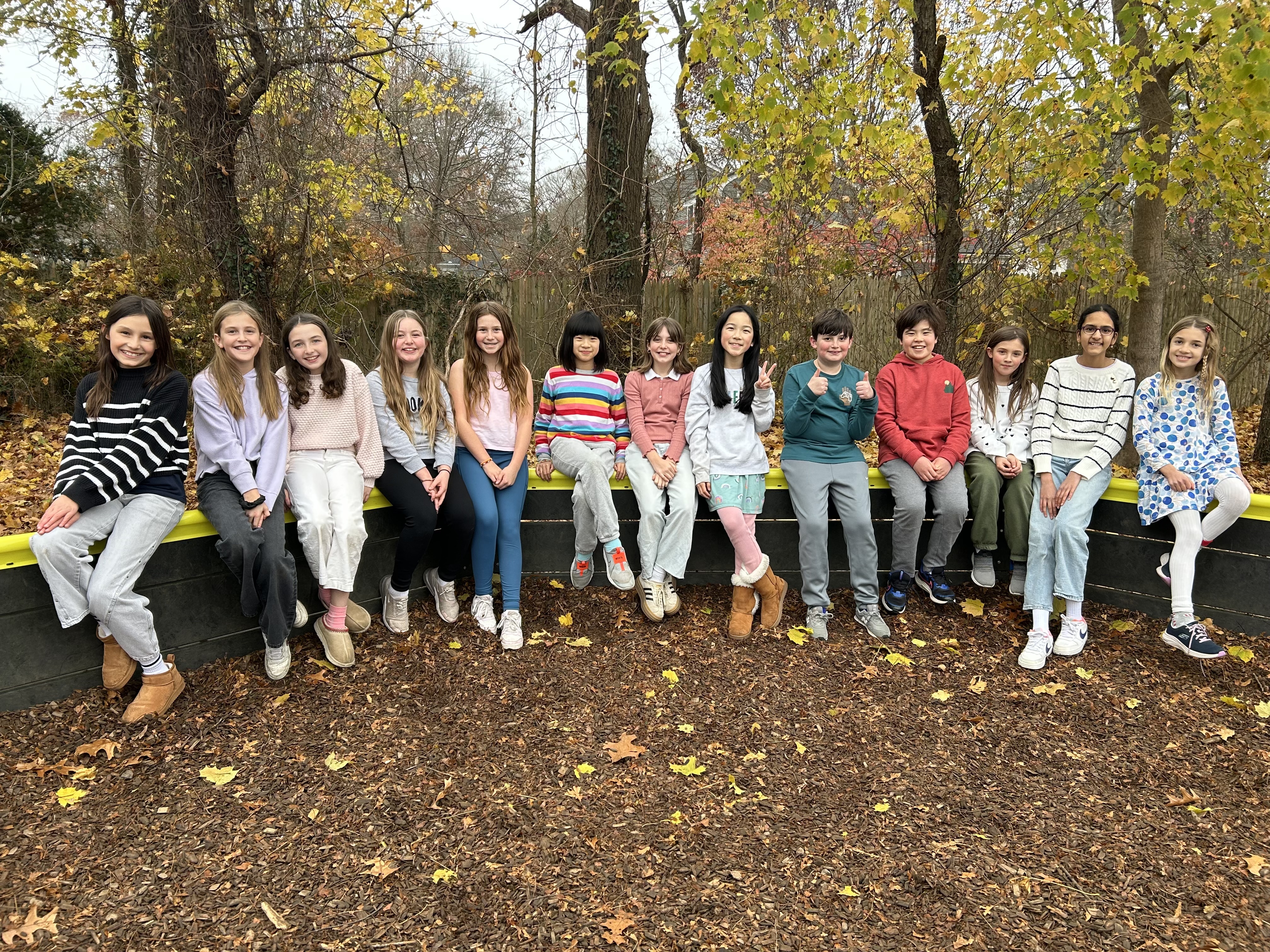
A Look at the Terrapins in our Backyard
The diamondback terrapin is a state endangered keystone turtle species found in Barrington and throughout
Rhode Island. Diamondback terrapins get their name from the raised diamond pattern on their shells.
In Barrington’s salt marshes, diamondback terrapins play an important role as predators. They are carnivorous
turtles that live in salt marshes and brackish water and help keep the marsh healthy by hunting snails and
crabs.Without terrapins, these animals could disturb the marsh and damage plant life. Even though terrapins
are predators, they are also eaten by animals like opossums, foxes, skunks, and even two pairs of eagles here
in Barrington.
At places like Hundred Acre Cove, female terrapins must travel away from the shoreline and climb up steep
land to reach higher, drier areas where they can safely lay their eggs. Terrapins usually lay their eggs in the
same places each year and they work hard to protect their nests by digging deep holes in sandy areas. Only a
small fraction of hatchlings survive their first year, and even fewer make it to adulthood. It takes four to eight
years for a terrapin to mature, and they can live forty to fifty years or longer.
Although they share habitats with other turtles, diamondback terrapins have unique features. Terrapins live in
marshy areas, including Hundred Acre Cove, and are often confused with snapping turtles. However, snapping
turtles are much larger, live mostly in freshwater ponds and lakes, and have powerful jaws. Diamondback
terrapins are smaller, live in brackish water, and can pull completely into their shells, which snapping turtles
cannot do.
When winter comes, terrapins start their brumation. During brumation, their heartbeats slow, their metabolism
stalls, and they do not need to eat. These turtles may look like they are dead, but they are not. They must wait
for the summer sun to warm them up before reemerging.
Challenges Terrapins Face
To help protect wildlife habitat around Hundred Acre Cove, the Town of Barrington designated the Doug
Rayner Wildlife Refuge as protected land in 1994, and it remains a key area for terrapin nesting and monitoring
efforts. Even with protected areas like this, terrapin populations continue to face challenges.
Habitat loss is one of the biggest concerns for diamondback terrapins in Barrington and along the Rhode Island
coast. Past construction of seawalls, docks, and retention walls near coastal areas has damaged nesting
habitat and made it difficult for terrapins to reach safe nesting sites. Once this land is changed, it can take
many years to restore, leaving terrapins with fewer safe places to live and nest.
Predation of eggs and hatchlings is another major challenge. Terrapin nests in Barrington are often easy for
predators to find, especially because terrapins return to the same nesting areas each year. According to Turtles
on the Hill, only about 10% of terrapin hatchlings survive, which makes it very difficult for the population to
grow.
Winter conditions also threaten terrapins in Rhode Island. During brumation, terrapins remain inactive for
months, and extremely cold temperatures can be deadly. Because terrapins take many years to grow and
reproduce, losing even a small number of turtles can affect the population for a long time.
Conservation and Community Efforts
Diamondback terrapins matter to Barrington because they are part of a much larger ecosystem. What happens
to terrapins affects other wildlife that shares the same environment, showing how connected life in the salt
marsh really is.
Through our research and presentation, we learned that the Barrington terrapin conservation project is led by
community volunteers who have been protecting diamondback terrapins in Barrington’s marshes since 1990.
With guidance from experts at URI and RIDEM, they collect scientific data and help protect nesting sites each
year, work that is shown in the documentary Turtles on the Hill.
This work focuses on monitoring terrapin populations, protecting nesting areas, and learning more about how
these turtles survive in local marshes.
Volunteers carefully track individual terrapins by marking their shells, including the scutes, which are the bony
plates that make up the shell. This allows researchers to recognize turtles when they return to the same
nesting areas year after year. By collecting this information over time, the group can see how terrapin
populations and nesting patterns change in Barrington. The project has a book with hundreds of identified
terrapins each with a picture and identification number!
During nesting season, especially in July, volunteers monitor nesting sites and mark them with orange tongue
blades so they can be protected and observed. This work must be done quickly and carefully because
predators often find nests soon after eggs are laid. After winter, volunteers return to nesting areas to check
what survived and to help keep nesting sites clear and safe.
These conservation efforts are supported by the Barrington Preservation Society and are highlighted in the
documentary Turtles on the Hill. Together, this work shows how community members, scientists, and
volunteers can work side by side to protect terrapins and the habitats they depend on in Barrington.
Conclusion
Diamondback terrapins matter to Barrington because they show how closely the community is connected to
the natural environment. The marshes and coastal areas they depend on are part of Barrington’s landscape,
and protecting terrapins helps protect those places.
The efforts to protect terrapins show that local action can make a difference. When the community learns about
terrapins and works together to protect them, it helps ensure that Barrington’s natural spaces can remain
healthy for future generations.
Sources and Learning Acknowledgements
Information for this article came from the documentary Turtles on the Hill, materials from the Barrington Land
Conservation Trust, and an in-school presentation by Kathryn Beauchamp, project co-leader. Through these
experiences, students learned how diamondback terrapins are studied and protected in Barrington. All sections
were written by RAS members and their club advisor, using information from these sources, along with class
discussions and note-taking based on what they learned.
The Barrington Land Conservation Trust welcomes community members who want to learn more or get
involved. Volunteers play an important role in protecting local wildlife. To learn more about terrapin
conservation projects or volunteer opportunities, visit the Barrington Land Conservation Trust website under
“Terrapin Conservation Project” and watch the documentary at: bit.ly/49okafF