The Gold Rush: A Modern Classic with Golden Roots
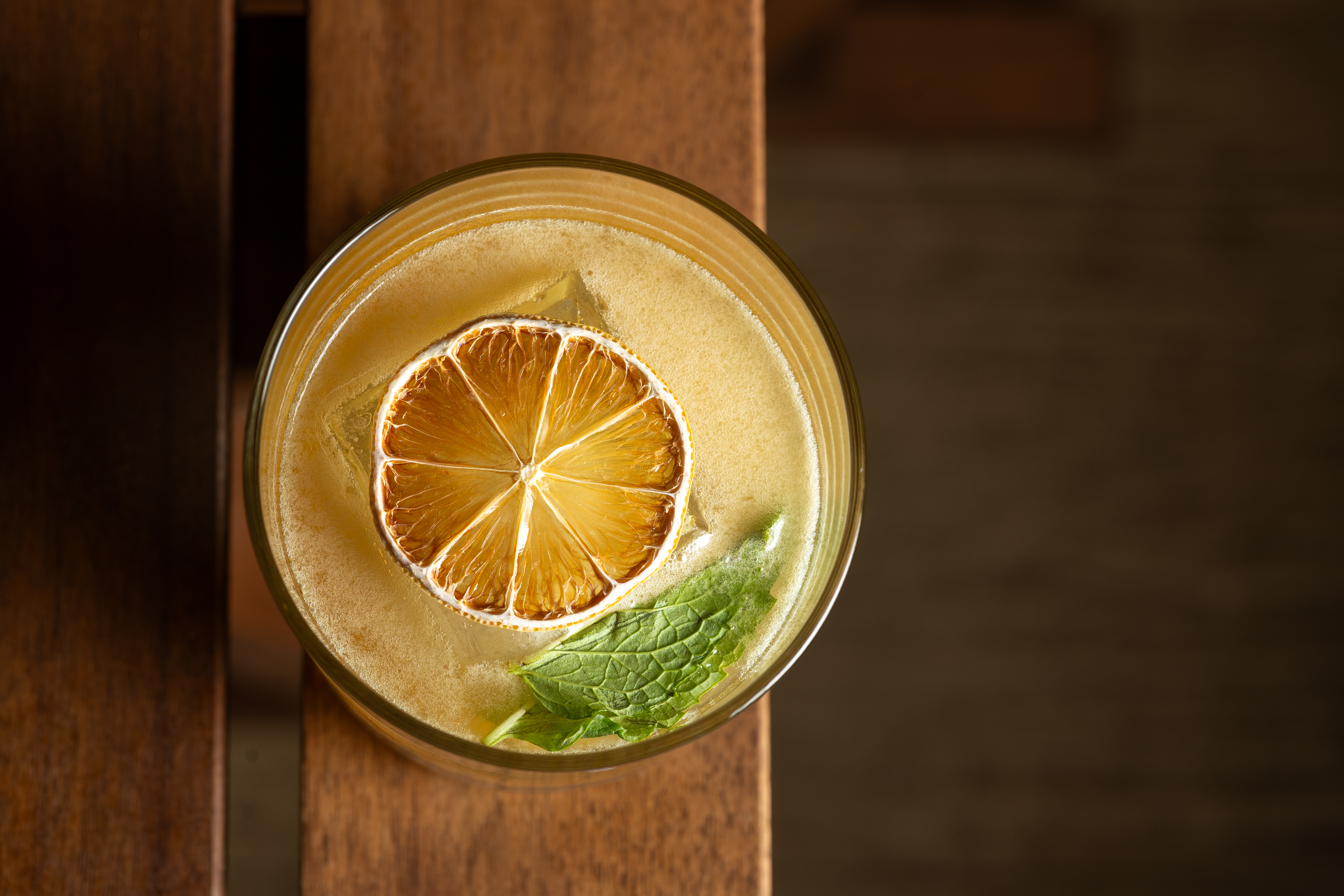
The Gold Rush cocktail may not date back to the actual Gold Rush of the mid-1800s, but it has quickly established itself as a modern classic in the world of mixology. With its simple yet perfectly balanced trio of bourbon, honey syrup, and fresh lemon juice, the drink has captured the hearts of cocktail enthusiasts who crave a refreshing beverage that’s as easy to make as it is to savor.
A Drink Born in the Early 2000s
Despite its timeless flavor, the Gold Rush is a relatively recent invention. The cocktail was created in the early 2000s at Milk & Honey, a now-iconic speakeasy in New York City. This legendary bar, opened by Sasha Petraske in 1999, became a cornerstone of the craft cocktail revival.
According to bartenders who were there at the time, the Gold Rush was developed by T. J. Siegal, a regular at the bar who adapted the whiskey sour by swapping out simple syrup for honey syrup.
This change was small but transformative. Honey brought more than just sweetness—it added a silky texture and floral depth that made the drink stand out. Almost immediately, the Gold Rush gained a loyal following at Milk & Honey, and as bartenders carried the recipe to new places, it spread quickly, becoming a staple in cocktail culture.
Why the Name?
While it has nothing to do with the California Gold Rush, the name captures the drink’s warm, golden hue, courtesy of the honey and bourbon. It also evokes a sense of rugged Americana—perfect for a bourbon-based drink with roots in a speakeasy.
A Simple Formula for Success
The Gold Rush follows the classic sour cocktail structure:
- Spirit (bourbon)
- Sweetener (honey syrup)
- Citrus (fresh lemon juice)
This balance creates a drink that’s both bold and refreshing. The bourbon brings depth and warmth, the honey adds velvety sweetness, and the lemon cuts through with bright acidity.
A Modern Classic
In just two decades, the Gold Rush has become a symbol of the cocktail renaissance: approachable, balanced, and endlessly adaptable. Try it with rye for a spicier profile, add bitters for depth, or experiment with flavored honeys like lavender or chili for a twist.
Its beauty lies in its versatility—it’s just as fitting on a summer patio as it is beside a roaring fireplace in winter.