Fall Sports Are Here: Keeping Our Young Athletes in the Game
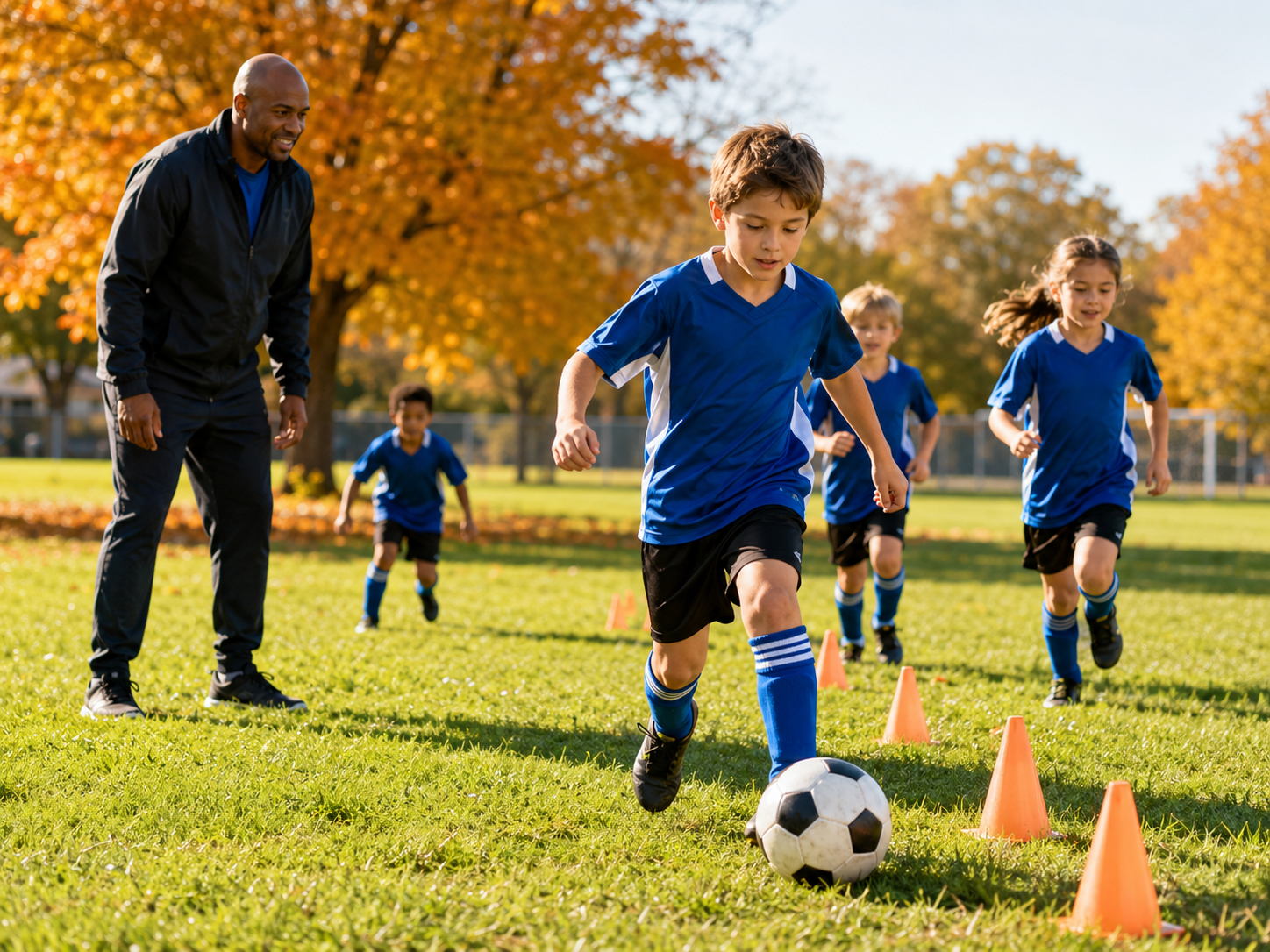
The whistles are blowing, the leaves are starting to turn, and somewhere in Hershey, a parent is looking for a matching shin guard… or picking turf off a sock. (Am I the only one who just buys more socks?) Fall sports season has arrived, which means soccer, football, and field hockey fields are full of energy again. It is one of my favorite times of year. There is nothing like watching kids run their hearts out on a crisp September evening. As a chiropractor and football mom, though, I also see the flip side of all that excitement, so let me share a few simple ways to help your athlete stay healthy and have fun.
Warm up before the whistle
The biggest mistake I see is skipping the warm-up. Cold muscles are like cold taffy. They do not stretch; they snap. A good warm-up does not have to be complicated. Five to ten minutes of light jogging, some leg swings, arm circles, and a few gentle lunges get the blood moving and the joints ready. Encourage your kids to treat the warm-up like part of the game, not an optional extra. Youth athletes, like us, tend to skip stretching and warming up because it feels “boring.” Their hamstrings will thank them, and they will be less likely to get injured overall.
Water is not optional
September in Central Pennsylvania can still bring some surprisingly warm afternoons, and kids do not always notice they are getting dehydrated until they are already dragging. Send them to practice with a full water bottle, and remind them to sip throughout, not just when they are gasping on the sideline. A well-hydrated athlete moves better, thinks more clearly, and recovers faster. If you feel thirsty, you are already dehydrated, so it is crucial to stay ahead of it. Fun fact: even mild dehydration can make muscles more prone to cramping and strains.
Watch out for too much of a good thing
Overuse injuries are sneaky. They do not come from one big tackle or twisted ankle, and they can feel as though they came out of nowhere. They build up quietly from doing the same motion over and over without enough rest. If your child plays on a school team and a travel team and shoots goals in the backyard every night, their body may not be getting time to recover. Rest days are not lazy days. They are when muscles rebuild and get stronger. Aim for at least one full day off per week, and keep an eye on any pain that lingers after the game is over. I cannot stress this enough. Many sports, like football, have two-a-days and long practices, and athletes absolutely need recovery time to help prevent season-ending injuries.
When a nagging ache needs a second look
Soreness after a hard practice is normal and usually fades in a day or two. What is worth paying attention to is pain that sticks around, gets worse, shows up on one side of the body, or changes how your child walks, runs, or throws. Those are signs the body is asking for help. A quick check can catch small problems before they turn into season-enders, and often the fix is simpler than parents expect.
It is also important to know that many of the adults who graciously volunteer and sacrifice their time may not have the necessary background knowledge when it comes to training and conditioning youth athletes. As parents, it is important to ensure our young athletes have great resources and support available to help prevent injury. This is particularly important as athletes get into high school and begin to get more serious about their chosen sport.
Fall sports build confidence, friendships, and lifelong healthy habits. With a little attention to warm-ups, water, rest, and those nagging aches, your young athlete can spend the season doing what they do best. Now go enjoy the game, and maybe pack an extra water bottle for yourself, too.