The 70/30 Rule: Perfect Landscaping Tips for Your Home
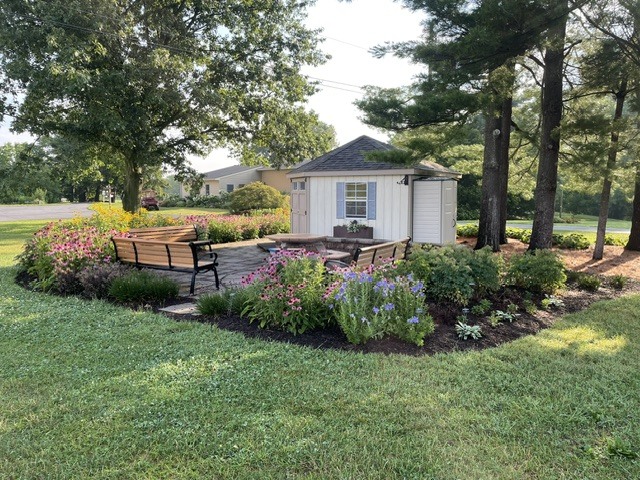
The 70/30 rule is a highly effective framework for balancing a yard. In this context, 70% for flowing, native perennials and seasonal blooms to support local pollinators and reduce runoff while reserving 30% of the yard to functional hardscaping (patios, walkways) and structural "bones".
Applying a 70/30 (softscape to hardscape) ratio establishes an ideal balance for managing stormwater. It ensures paved surfaces do not overwhelm the property while providing sufficient pervious space for water to naturally infiltrate the soil. This directly supports local municipal watershed goals by reducing runoff volume and non-point source pollution
Key Benefits of the 70/30 Ratio
-
Balancing paved (impervious) and planted (pervious) areas is the key to managing stormwater and recharging local aquifers. A 70% softscape to 30% hardscape ratio acts as an ideal threshold, slowing surface runoff and maximizing the rate at which rainwater soaks into the soil
- Enhanced Groundwater Recharge: Softscapes (lawns, soil, and plants) function as natural sponges that capture rain, filtering pollutants and replenishing the water table.
- Runoff Control: Impervious surfaces (concrete, asphalt) generate high volumes of runoff, which can cause localized flooding and soil erosion.
- Effective Site Management: Even if you need more patio or driveway space, incorporating permeable pavers or bioswales can help you achieve similar eco-friendly drainage benefits
-
Limiting hardscape to 30% significantly reduces the volume of stormwater flowing into municipal sewers and local streams. This mitigation technique lowers the risk of flash flooding, prevents severe streambank erosion, and protects water quality by allowing rainwater to naturally infiltrate the soil
- Implement Permeable Alternatives: Instead of traditional solid concrete or asphalt, utilize Porous Pavements or open-joint pavers. These materials allow rainwater to seep directly into the ground.
- Manage Runoff On-Site: Disconnect downspouts to redirect roof runoff away from driveways and into vegetated areas. You can also install features like Rain Gardens or bioswales to absorb and naturally filter excess water.
-
Living softscapes (trees, shrubs, and groundcovers) naturally lower localized ambient temperatures by absorbing heat and releasing water vapor through evaporation and transpiration. This biological "air conditioning" mitigates urban heat islands and buffers extreme microclimates
- Transpiration: Plants draw moisture from the soil and release it into the air as water vapor. The conversion of liquid water to gas absorbs heat from the surrounding environment, reducing localized temperatures.
- Evaporation: Moisture from soil evaporation cools the immediate ground surface, like how sweat evaporates from human skin.
- Shading: Dense canopies block incoming shortwave solar radiation. Shaded surfaces (like concrete or asphalt) absorb significantly less heat, reducing subsequent heat radiation