Love Languages for Littles (and Bigs):
Understanding How We Give and Receive Love at Home
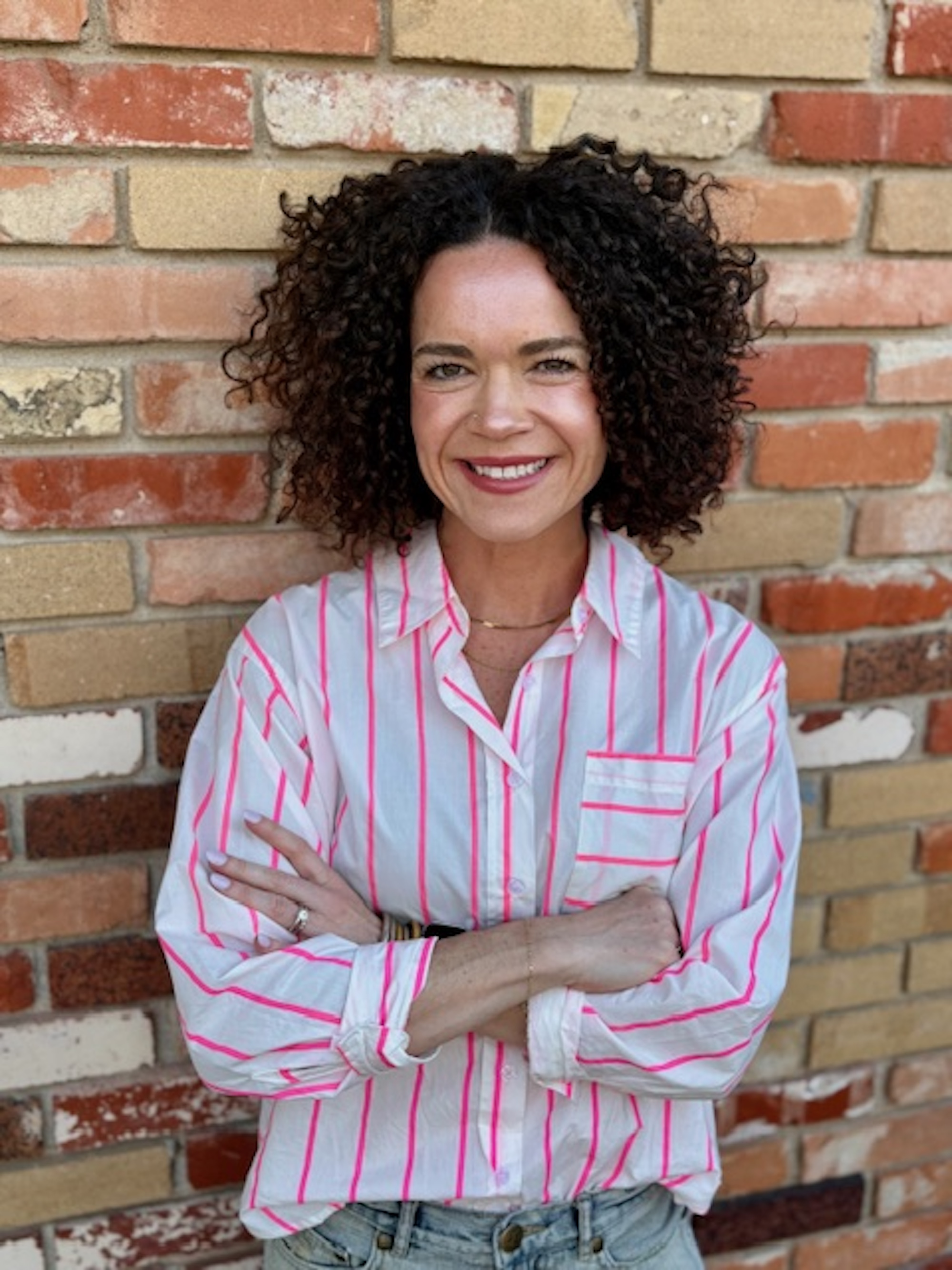
Strong family connection isn’t built on grand gestures—it’s built in everyday moments. One helpful way to deepen connection at home is by understanding love languages: the different ways people give and receive love. While the concept is often discussed in adult relationships, it can be incredibly powerful for children too. When kids feel loved in the way that speaks their language, they feel safer, more confident, and more connected.
The Five Love Languages (Kid-Friendly Edition)
• Words of Affirmation: These children thrive on hearing kind, encouraging words.
Try this: “I love how hard you worked,” “I’m proud of you,” or a note tucked into a lunchbox.
• Quality Time: This love language is all about focused attention.
Try this: Ten uninterrupted minutes playing, reading, or taking a walk—phone down, eyes up.
Try this: Ten uninterrupted minutes playing, reading, or taking a walk—phone down, eyes up.
• Physical Touch: Some kids feel most loved through closeness and affection.
Try this: Hugs, cuddles, high-fives, sitting close, or a gentle hand on their back.
• Acts of Service: These children feel cared for when you help in practical ways.
Try this: Helping with homework, laying out clothes, or showing up when they’re overwhelmed.
Try this: Helping with homework, laying out clothes, or showing up when they’re overwhelmed.
• Gifts: This isn’t about “stuff”—it’s about thoughtfulness.
Try this: A drawing, a favorite snack, a picked flower, or a small surprise “just because.”
Try this: A drawing, a favorite snack, a picked flower, or a small surprise “just because.”
Why Love Languages Matter in Families
• Help children feel seen and understood
• Reduce power struggles and miscommunication
• Build emotional safety and trust
• Model empathy and emotional awareness
• Reduce power struggles and miscommunication
• Build emotional safety and trust
• Model empathy and emotional awareness
Love Languages for Bigs Too
Parents and caregivers have love languages as well. When adults communicate their needs and notice what fills their own cup, the whole family benefits. Children learn that love looks different for everyone—and that all expressions of love matter.
Getting Started at Home
• Observe how your child shows love—they often give what they want to receive
• Name it out loud: “I notice you love hugs—that’s your love language”
• Use all five, but lean into the one that matters most
• Name it out loud: “I notice you love hugs—that’s your love language”
• Use all five, but lean into the one that matters most
Understanding love languages doesn’t require perfection—just intention. When families learn to “speak” one another’s language, everyday moments become meaningful connections that last a lifetime.
BIO:
Kelly Feddern, LCSW, is a licensed clinical social worker, play therapist, and proud Lake Highlands neighbor. She is the founder of Highlands Counseling, where she works with children and families to support emotional growth, resilience, and healthy relationships. Kelly is passionate about helping kids feel seen, heard, and empowered through the power of play.