The Stories Hidden Inside the Moraga Adobe
After years of restoration, the historic Moraga Adobe offers a rare glimpse into California rancho life, from redwood dance floors to all-night parties
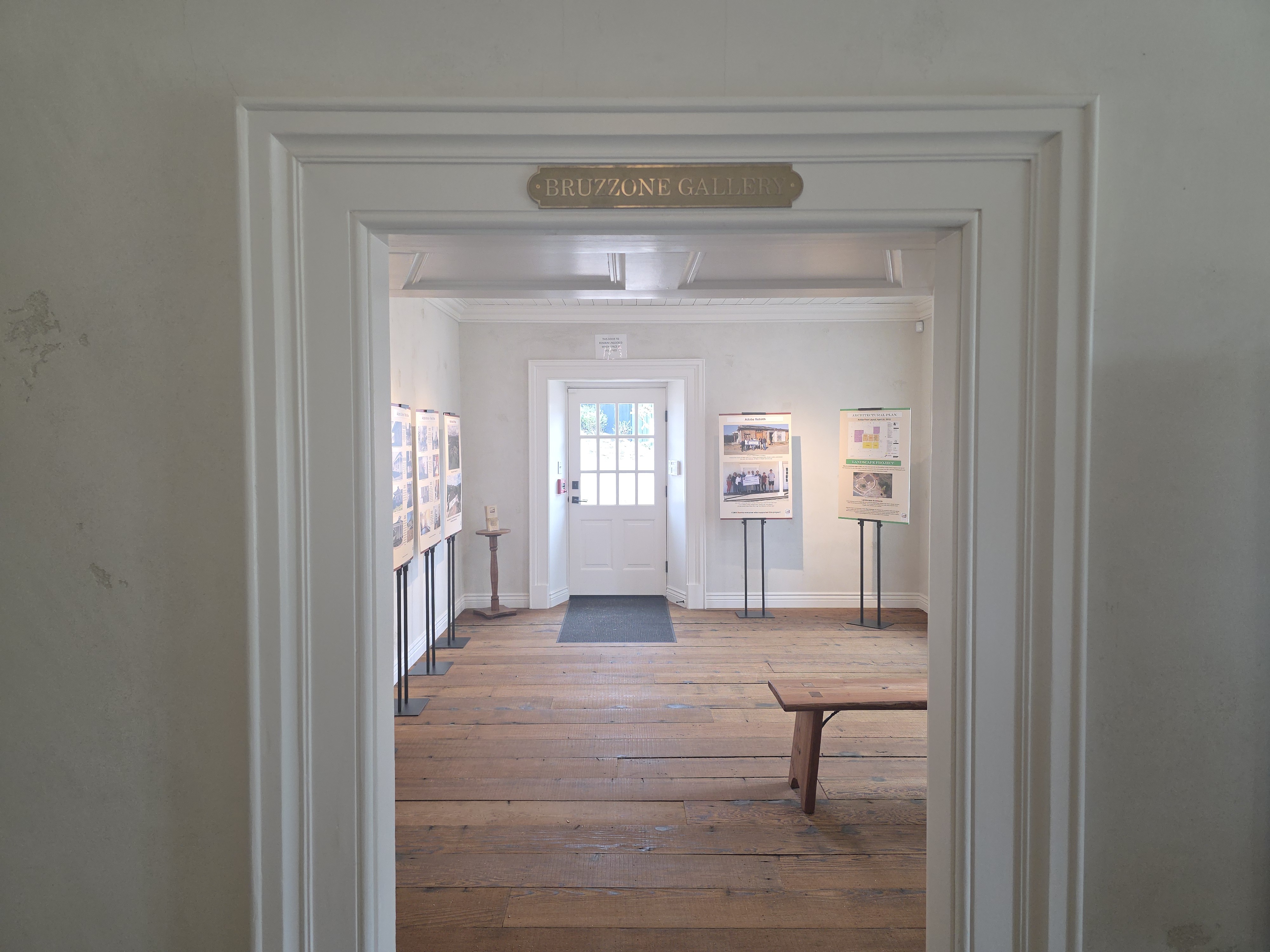
Most people describe Moraga as a quiet town, the kind of place where it takes just about fifteen minutes to get anywhere. Growing up here my whole life, I always figured our local history was something you read about in a textbook and then forgot. Then I got a chance to tour the newly opened Moraga Adobe. It took years of fundraising and a lot of uncertainty to get here, but the oldest surviving building in Contra Costa County is finally open to the public. My tour was led by Kent Long and his wife, Teresa, who've poured an enormous amount of themselves into this place. Kent told me he first showed up in 2008 just to take some photos. Yet somehow, he got pulled in, was elected to lead the whole restoration effort, and brought Teresa along with him.
Walking onto the property, the first thing you notice is the landscaping. Native, drought-tolerant plants frame the building. Kent mentioned it was designed by Ryan Cummings, a landscape architect who actually grew up in Moraga and now works out of Berkeley. Inside, the walls are two and a half feet of solid adobe brick. The place has had a rough life. In the 1940s, someone tacked on a bunch of modern wood-frame bedrooms that gave the whole structure this bizarre, lumpy shape. The historical society calls it the "Mickey Mouse ears" era, which is a pretty accurate description. At other points, the building was just abandoned and used as a barn. Volunteers eventually tore away eighty years of additions to get back to the original five-room layout, the way the Moraga family actually left it.
The part of the tour I keep thinking about is the fandangos. In the 1850s, the Moragas used to throw these massive multi-day parties, and they became legendary in the area. Most California adobes at the time had dirt floors, but Joaquin Moraga's 13,000-acre rancho stretched into the Canyon, which was full of old-growth redwoods. That gave them access to timber, so they built smooth redwood floors. Once word got out that you could actually dance on a real floor instead of packed dirt, people came from all over.
Kent and Teresa shared entries from the diary of Joseph Lampson, a writer who attended one of these parties in 1855. He described a room packed with people, kids running around underfoot, and a two-piece band (just a guitar and a violin) playing late into the night. They also told me something I hadn't been expecting. Because metal buttons were so hard to come by, wealthy landowners would use actual silver coins to fasten their buckskin party pants. These gatherings involved a lot of drinking and a lot of gambling, and Kent joked that after a rough night at the poker table, a man might stumble out of the Adobe with significantly fewer buttons and some hastily tied leather laces holding the pants together instead.
Even out in the middle of early California wilderness, the Moragas were trying to keep up with society. Lampson noted they'd smeared mud over the bricks to smooth them out, then covered the whole thing with imported wallpaper. At dinner, he was served wine in glass tumblers, not the usual tin cups being used at the time. Standing in those rooms, it hits you how much history is packed into one family's story. Joaquin Moraga's grandfather was second-in-command of the 1775 Anza Expedition and helped found the Presidio of San Francisco. There's even a connection to the American Revolution. The King of Spain docked the pay of soldiers stationed in California to help fund the Americans fighting the British.
Joaquin himself lived through more change than most people can imagine. Born a Spanish citizen, he served in the Spanish military at sixteen, became a Mexican citizen when that changed, and died an American citizen in 1855. Three different characters over one lifetime. And yet, because there were no schools in the area, records show he never learned to sign his own name. I remember hearing about the Adobe when I was in elementary school. Standing in those rooms, hearing Kent talk about the fandangos and the gambling and Joaquin’s story, it stopped feeling distant. Moraga has always been more interesting than I gave it credit for. It just took walking through a historical building to figure that out.