Liberty Hill Construction
How do I plan a remodeling project?
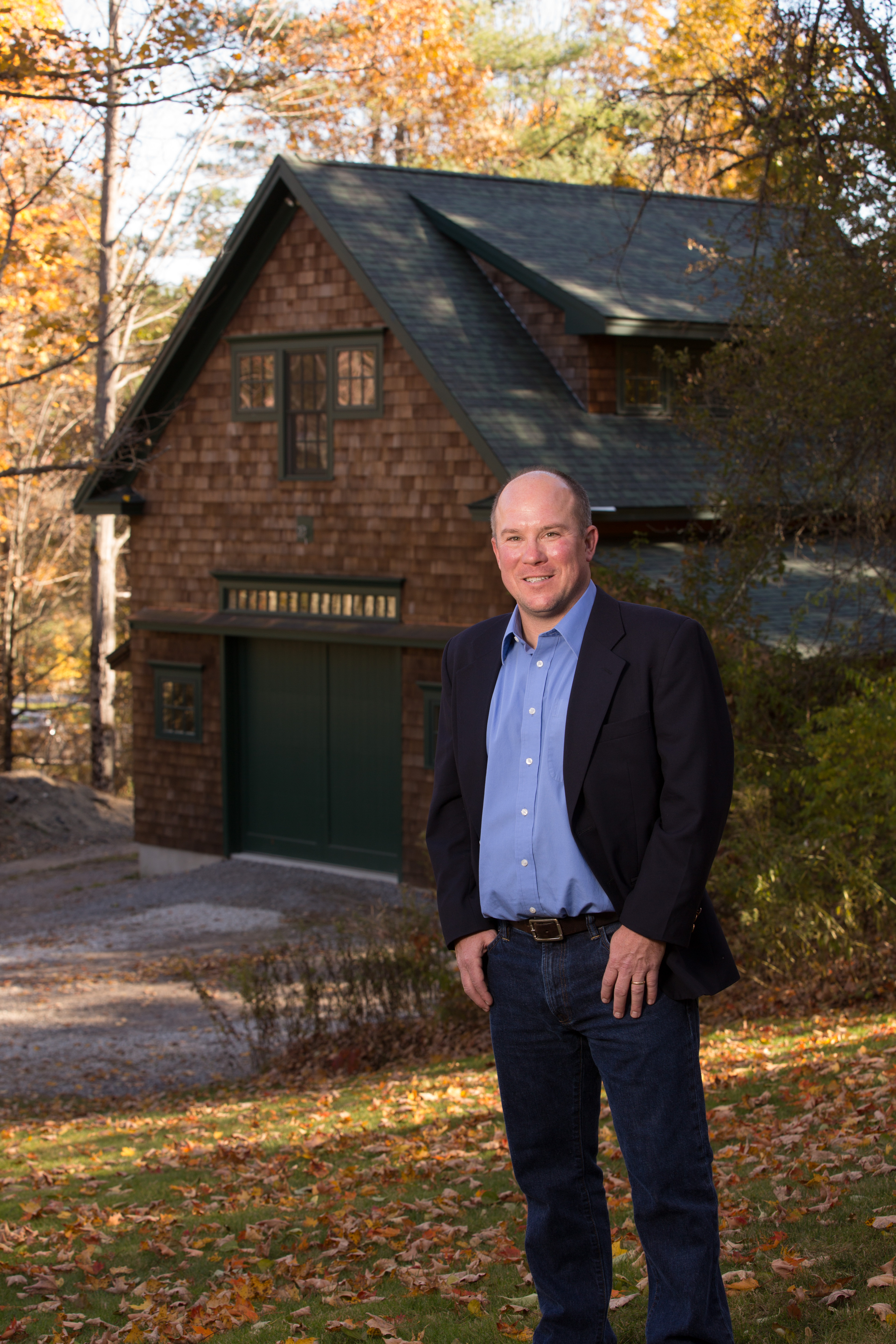
With a lack of homes on the market and a growing desire to expand, more people are staying put and improving what they have. Most conversations with homeowners considering additions, ADUs, kitchen remodels, or other modifications include something like "We love our house and location, we cannot find homes for sale that we like better, so we have decided to stay and make changes."
One of the most important first steps is determining an initial cost range for your project. Although the end goal is a written scope with a fixed price, you need to start somewhere. Without plans and details, the initial cost range is typically based on similar projects or historical averages. This helps determine whether the project is financially feasible and establishes confidence to move forward. During initial discussions, covering specific cost drivers that elevate or reduce the total investment helps paint a more accurate picture. Establishing the initial budget is tied to determining who the best partner is.
The three primary models for developing a construction project are:
- Hiring an Architect or Designer
- Hiring a Design-Build firm
- DIY (Do It Yourself)
Each model has pros and cons that match different project types. The DIY model works for smaller projects or single-trade work like roofing or siding, where there's minimal coordination needed. Although you may save money, savings often don't materialize, and the process can be stressful and time-consuming.
The Architect or Designer model generally precedes competitive bidding, where contractors receive plans and submit cost estimates. Working with skilled architects can be wonderful and produces incredible designs. Historically, the greatest challenge is not addressing the budget. Beautiful plans are created and sent out, only to discover the cost doesn't match the budget. This challenge was the impetus behind Design-Build.
The Design-Build model begins with establishing a cost range before beginning design work. During the design process, cost and budget discussions continue to ensure the design and investment goals maintain alignment. The design can still exceed the original budget, but it's known and discussed during the process. Design-Build enables improved coordination among the designer, contractor, and trade partners, more efficient and buildable designs, advantageous time and cost savings, and a coordinated team approach.
Choosing the model is the first step in selecting your remodeling partner, but how do you find the right one?
- Start local; do you see signs up in the neighborhood?
- Ask friends for referrals when discussing your ideas.
- Conduct internet searches and dig into the content you find.
- Read company websites, check reviews, and do your homework.
As you develop a list of potential partners, prepare questions for interviews. Initially, spend more time talking about the company than your project. Key areas to explore include: company structure and size, their process for developing projects, how they manage and coordinate work, whether they create written schedules, what's included in proposals, contract types (fixed price vs. time and materials), their selection process, how initial contract prices compare to final costs, how change orders and allowances work, typical payment schedules, and warranty policies.
Too many people dive into project details and skip the most important questions—those answers should determine with whom they partner.
Once you narrow your list, request current references and prepare questions about: whether they started and finished on schedule, any cost overruns not initiated by the client, how allowances compared to actual costs, how the homeowners felt about the people in their house, communication quality, sensitivity to needs, payment process handling, and whether they'd use the company again.
Planning a remodeling project doesn't need to be overwhelming. Invest time upfront in interviewing and finding the best partner to join you on the journey. Focus on learning about the companies you're considering more than their upfront cost predictions. Remodeling is a very personal experience, and to be successful, a relationship must be built. Once the project begins, the numbers become less important, and the focus shifts to the relationship and the experience. With over 25 years in business, Liberty Hill Construction is a Design-Build Remodeling contractor focused on delivering a predictable, stress-free experience for our customers.
Visit libertyhillconstruction.com to see some of our projects or schedule a consultation.