Backpacks and Better Health
Did you know that something our kids casually throw over their shoulder in the morning can have a not-so-casual impact on their health?
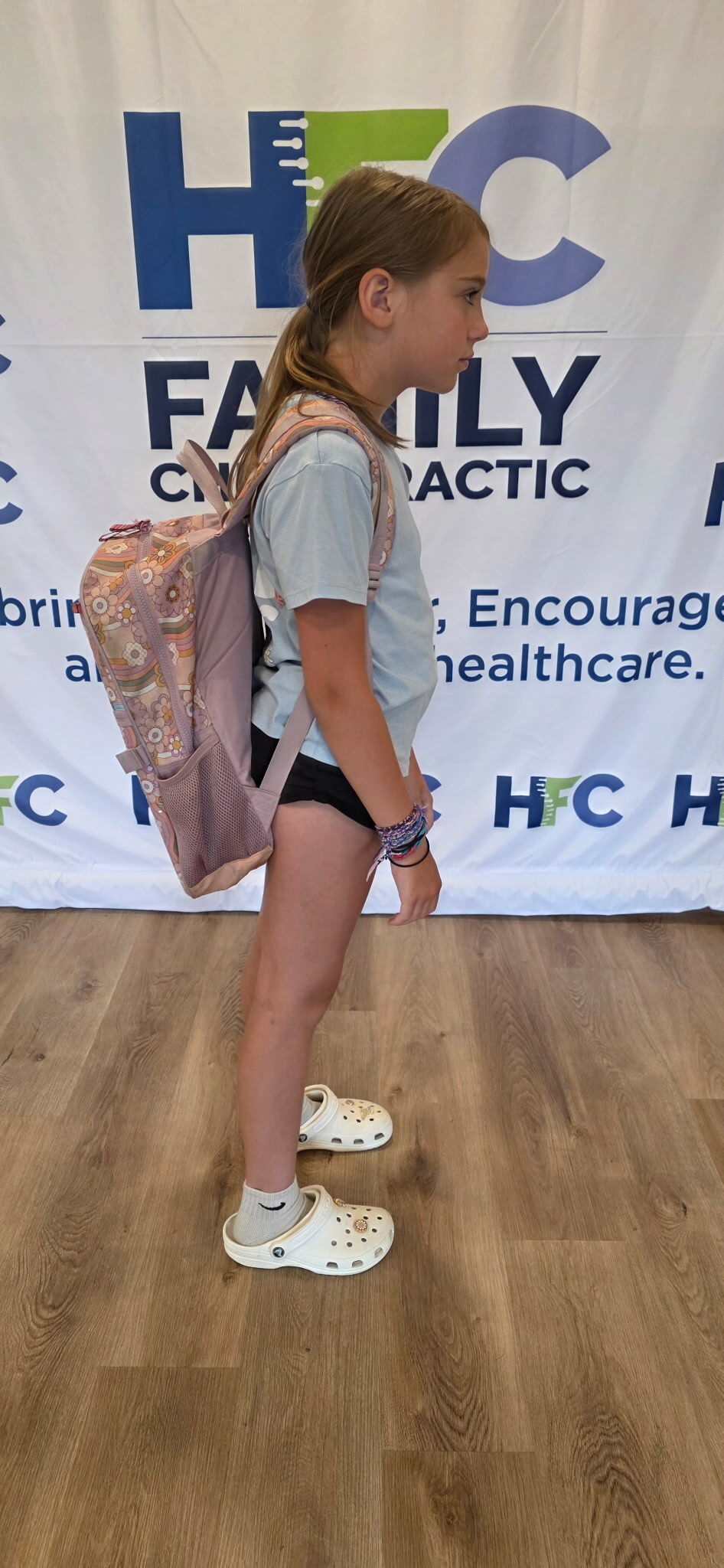
As the new school year begins, children are excited to reunite with friends, meet new teachers, and tackle new challenges. One thing that often gets overlooked during back-to-school preparations is backpack safety. Have you ever noticed that, in some cases, a child’s backpack is nearly the same size as they are!?
While backpacks are an essential part of every student's daily routine, carrying one incorrectly or packing it too heavily can lead to neck pain, shoulder strain, back discomfort, poor posture, and even long-term spinal problems. Let’s break it down into easy guidelines to be aware of.
While backpacks are an essential part of every student's daily routine, carrying one incorrectly or packing it too heavily can lead to neck pain, shoulder strain, back discomfort, poor posture, and even long-term spinal problems. Let’s break it down into easy guidelines to be aware of.
A backpack should never weigh more than 10–15% of a child's body weight. For example, a child who weighs 80 pounds should carry no more than 8 to 12 pounds. Many students carry much more than this, especially as homework, laptops, sports equipment, and water bottles add extra weight throughout the day. A backpack that is too heavy forces children to lean forward, round their shoulders, or arch their backs to compensate, placing unnecessary stress on their growing muscles and spine.
Choosing the right backpack is just as important as packing it correctly. Look for a backpack with wide, padded shoulder straps, a padded back, and multiple compartments to help distribute weight evenly. If available, a waist or chest strap can provide additional support by transferring some of the weight from the shoulders to the hips.
Children should always wear both shoulder straps… even if it doesn’t “look cool”. Slinging a backpack over one shoulder may seem convenient or fashionable, but it creates an uneven load that can cause muscle imbalance, shoulder pain, and poor posture over time. Encourage your child to adjust the straps so the backpack sits snugly against the middle of their back rather than hanging low below the waist. In addition, wearing your backpack across the front of your body encourages the postural muscles of the back to engage, and can assist in balancing posture throughout the day.
Packing the backpack properly also makes a significant difference. Place the heaviest books and supplies closest to your child's back, with lighter items stored in the outer compartments. Remove unnecessary items each day to reduce excess weight. A quick backpack cleanout at the end of the week can prevent children from carrying around papers, books, or supplies they no longer need. That being said, as a parent myself, it isn’t always easy to get your student to clear out things they no longer need. (Please say it isn’t just me!)
Parents should also watch for warning signs that a backpack may be causing problems. If your child complains of neck, shoulder, or back pain, frequently shifts the backpack from one shoulder to the other, struggles to put it on, develops red marks from the straps, or changes the way they walk while carrying it, it's time to reevaluate the backpack's weight and fit.
In addition to proper backpack use, healthy posture plays an important role in preventing discomfort. Encourage children to sit upright while studying, take movement breaks during homework, stretch regularly, and stay physically active to build strong muscles that support the spine. It goes without saying that healthy children learn better, move better, and feel better.
Before school gets into full swing, take a few minutes to check your child's backpack. A properly fitted, appropriately packed backpack is one of the simplest ways to help prevent aches and pains and support your child's health all year long.