Building a Path Into STEM
Bellevue student, Isabel Conejo, makes engineering more accessible.
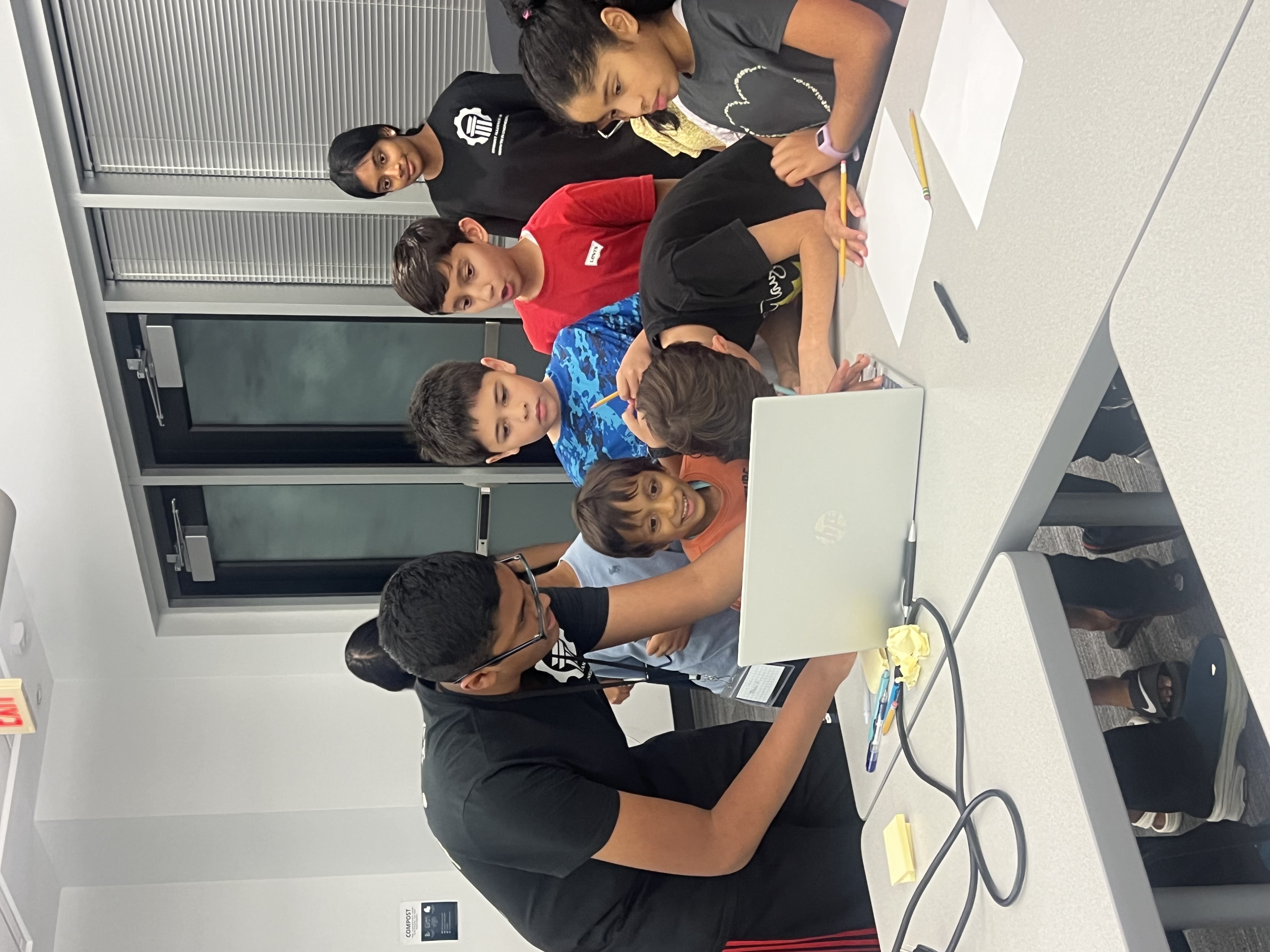
For Bellevue High School student Isabel Conejo, a love of engineering began thousands of miles away from Washington. While living in Madrid, Spain, Isabel participated in an introductory engineering program at the University of Michigan. The experience introduced her to new areas of STEM, connected her with professors and students, and gave her the opportunity to explore a field she was passionate about. But it also left her with a question: What if more students had access to opportunities like this?
That question became the foundation for the Student Alliance for Growth in Engineering, or SAGE, a youth-led organization Isabel created with fellow students. Founded with the goal of making STEM exploration more accessible, SAGE provides free educational opportunities to students interested in engineering and related fields. What began as a small idea has since grown into an organization that has reached more than 1,000 students, expanded across 10-plus states, and developed an international network of tutors, while keeping its online tutoring and seminars free for families. As Isabel said, “I had such an amazing experience. Why don't I give this to other students?”
SAGE offers three main programs: free one-on-one STEM tutoring, online and in-person seminars with industry professionals, and community engagement opportunities. Students can explore broad areas of engineering, such as civil or mechanical engineering, or dive into specialized topics based on their interests, including aerodynamics and Formula 1. The tutoring program is largely powered by high school students who volunteer their time to help younger learners. Students can sign up through SAGE’s website and are matched with tutors based on their interests, grade level, and academic needs. Tutors go through an application and interview process to ensure students receive quality instruction. “We want to get students the best of the best for no cost,” Isabel said.
Although SAGE began with a small group of students, it has grown into an international organization. The group has chapters and students involved across states including California, Texas, and Washington, along with tutors in countries such as Spain, the United Kingdom, and Hong Kong. That growth has brought its own challenges. Coordinating students and volunteers across different locations and time zones requires organization, communication, and trust. For Isabel, those challenges have become some of the most valuable lessons of running a youth-led organization. “There are so many things that come with starting an organization that are unknown,” she said. “But it's kind of living with that uncertainty and knowing I can do this, we can do this.”
Isabel also credits her co-founder and the organization's growing team for helping SAGE develop. “You can't do everything alone,” she said. Teamwork is especially important as SAGE continues to expand. Isabel said finding people who share the organization's mission has helped maintain its focus on making STEM education accessible. That mission is personal to her. Isabel recognizes that Bellevue has many opportunities for students interested in STEM, but she also knows that not every family has the financial resources or access to participate in paid programs. Students in other communities may have even fewer opportunities to explore specialized fields.
SAGE aims to remove one of those barriers by allowing students to learn simply because they are curious. “At 17 or 18, you can't expect somebody to know what they want to do,” Isabel said. “But if they don't have the resources to learn, then they might never find their passion.” One of SAGE’s most meaningful moments came through a message from a parent whose child used the organization’s programs after the family moved to the United States. The parent shared how SAGE helped their child continue developing an interest in math and science despite circumstances that made other opportunities difficult to access. For Isabel, messages like that demonstrate why the work is worth the late nights and challenges of running a growing organization.
Looking ahead, SAGE hopes to expand its chapters, give more students opportunities to take on leadership roles, and launch new seminars as the school year begins. Even as SAGE expands internationally, Isabel wants Bellevue families to know that the organization remains available locally. Her message to families is simple: explore, ask questions, and reach out. “We're here for your children and whatever opportunities they might want to learn about,” she said.
For students who have their own ideas for starting an organization, Isabel offers the same advice that helped turn her own idea into SAGE: Start. “If you have an idea, don't just let it sit in the back of your mind,” she said. “Just start it. Success may not happen immediately, as building something meaningful takes time, structure, and the right people. But slow progress is still progress."
For Isabel, SAGE began with a question about what could happen if more students had access to engineering opportunities. Today, that question has grown into a community of students learning, teaching, and discovering what they are capable of.
For more information about SAGE’s tutoring, seminars, and upcoming opportunities, families can visit sageengineering.org